Teach Kids Emotional Intelligence: Simple Daily Strategies
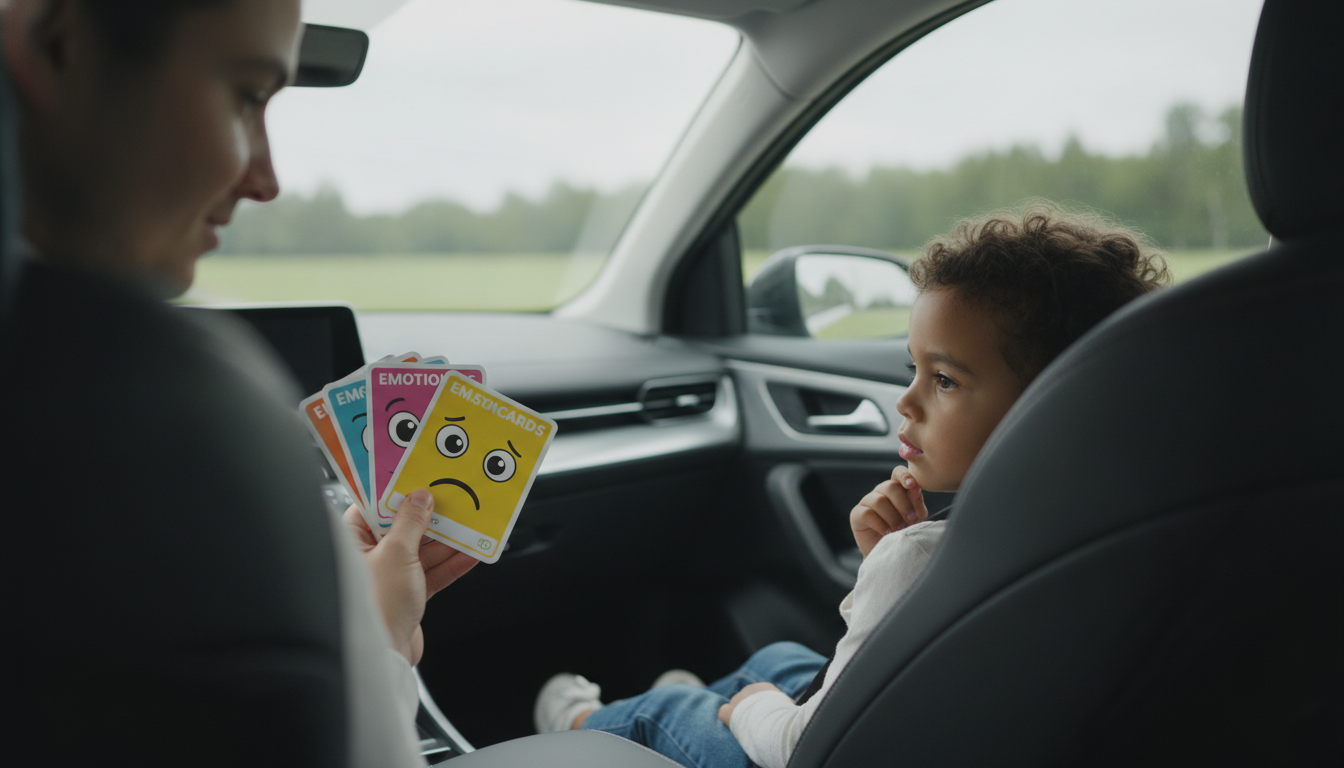
How to teach emotional intelligence to a child
Teaching emotional intelligence starts with making feelings visible, nameable, and manageable in everyday moments. Kids learn best when adults model calm communication, validate emotions without immediately fixing them, and coach practical coping skills. Over time, these small, repeatable interactions build self-awareness, empathy, and better decision-making.
Start with naming emotions in real time
Build a simple “feelings vocabulary” by labeling emotions as they happen: “You look frustrated that the tower fell,” or “I’m disappointed we can’t go today.” For younger children, offer two or three choices (“mad, sad, or worried?”). For older kids, add nuance like “overwhelmed,” “embarrassed,” or “left out.” The goal is to connect body sensations and situations to accurate words.
Validate the feeling, then guide the behavior
Validation sounds like: “It makes sense you’re angry.” It doesn’t mean approving hurtful actions. Follow validation with a clear boundary: “It’s okay to be angry. It’s not okay to hit.” This approach reduces power struggles and teaches that emotions are acceptable while choices still matter.
Teach coping tools before the meltdown
Practice regulation skills when your child is already calm: belly breathing, counting backward from 10, taking a “reset break,” squeezing a stress ball, or drawing the feeling. Create a short “calm-down menu” and let your child choose what helps. When emotions run high, remind them of the menu rather than lecturing.
Use stories, play, and repair conversations
Books and movies are easy empathy practice: pause and ask, “What do you think they’re feeling? What might help?” During play, role-play apologies, sharing, and problem-solving. After conflicts, guide a repair: identify what happened, name feelings on both sides, and plan what to do next time.
For more practical examples and age-appropriate strategies, visit this guide on teaching emotional intelligence to a child.
FAQ
What are some quick emotional regulation exercises for kids?
Try “smell the flower, blow the candle” breathing for 30 seconds, a five-finger breathing trace, or a 60-second wall push to release tension. Keep it brief and repeat often so it becomes automatic when stress hits.












Leave a comment