Essential Adult Skills: Money, Health, Home, and Safety
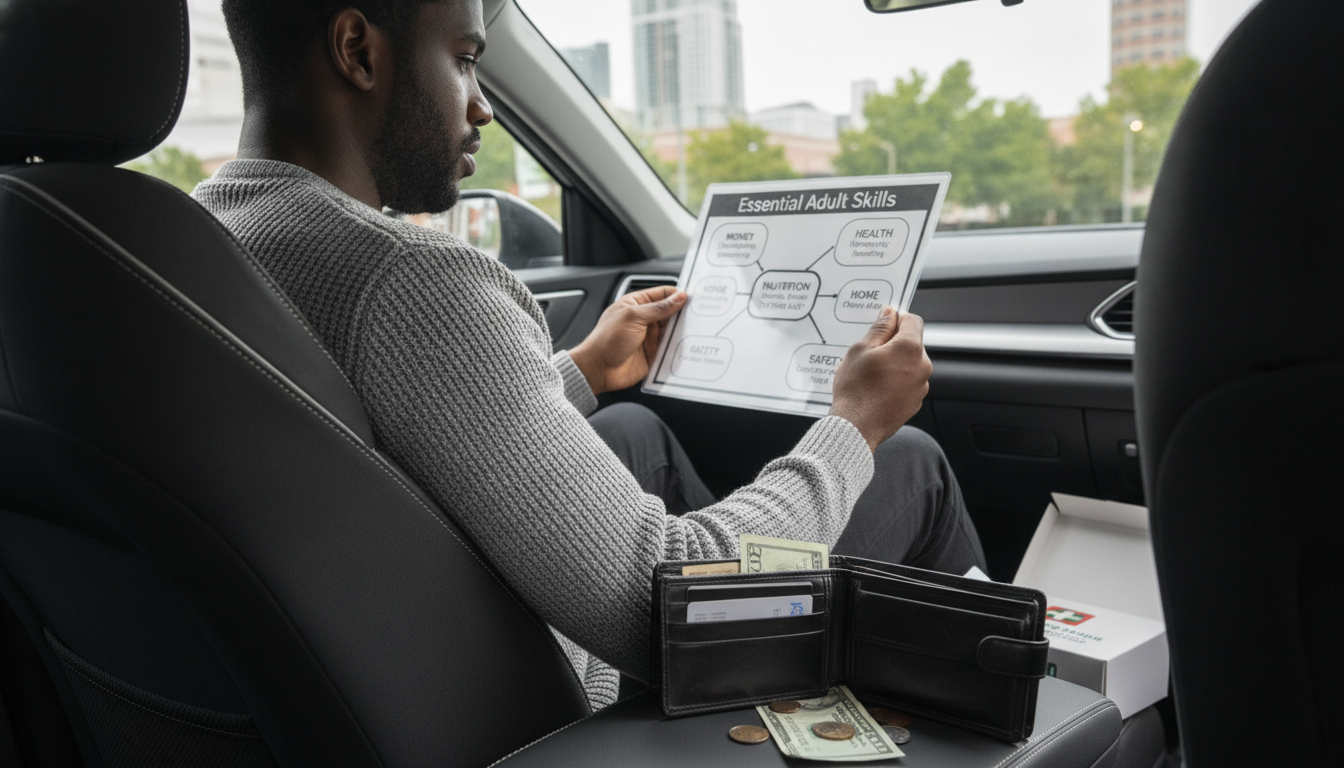
What skills should all adults have?
All adults benefit from a core set of practical, social, and self-management skills that make day-to-day life smoother and help protect long-term health, finances, and relationships. The goal isn’t perfection—it’s competence: being able to handle common situations without panic, avoid preventable mistakes, and recover quickly when plans change.
For a deeper checklist and examples you can practice, see the full guide here: https://reliabledropshut.shop/what-skills-should-all-adults-have/.
1) Financial basics
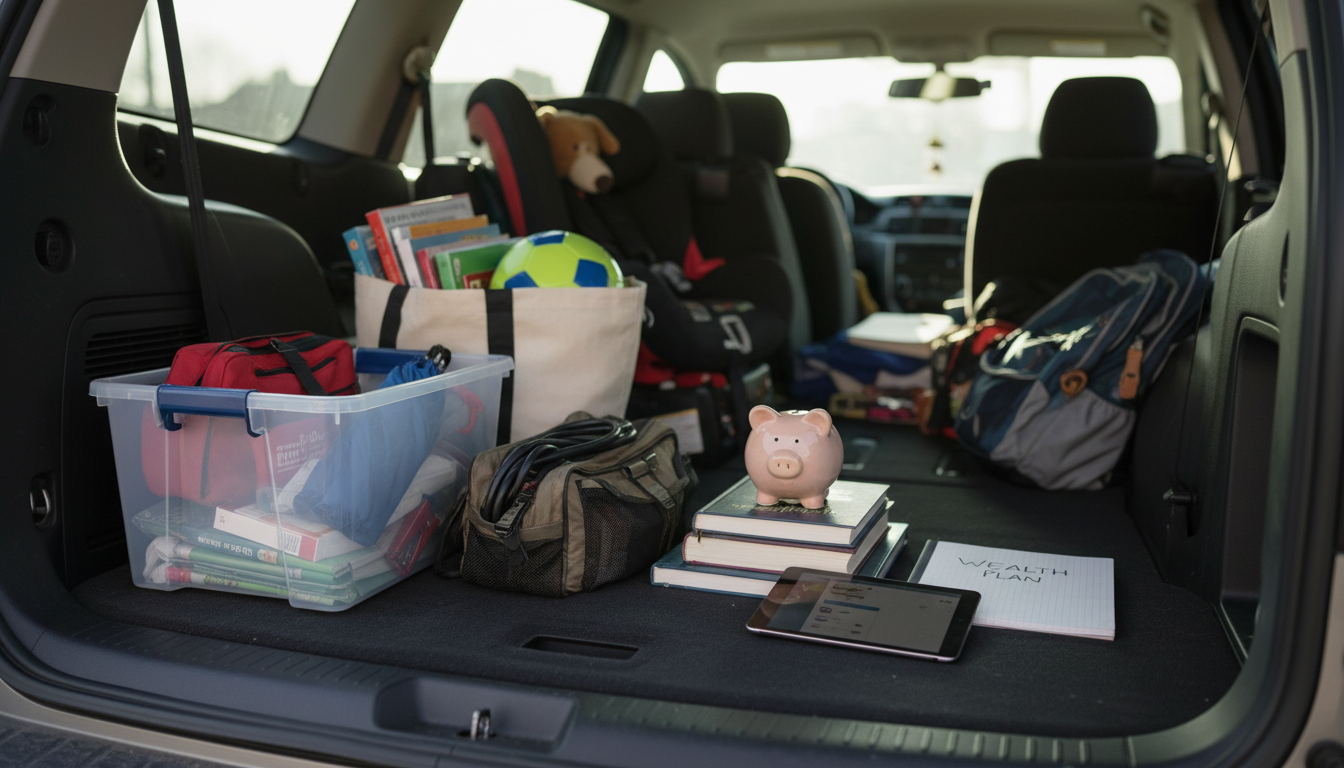
Know how to make a simple budget, track spending, pay bills on time, and understand interest on credit cards and loans. Building an emergency fund—even a small one—reduces stress and prevents minor problems from becoming crises.
2) Communication and conflict skills
Adults should be able to write clear emails/texts, set boundaries, and listen without immediately reacting. Handling conflict calmly—stating needs, asking questions, and proposing solutions—protects friendships, family life, and work opportunities.
3) Health and self-care competence
Schedule appointments, understand basic insurance terms, take medications safely, and recognize when symptoms need urgent care. Also learn routines that support sleep, nutrition, movement, and stress management so energy and mood stay steadier.
4) Household and basic maintenance
Cook a few reliable meals, do laundry, clean effectively, and keep a simple home-maintenance calendar (filters, smoke detectors, minor repairs). Knowing how to shut off water and reset a breaker can save money fast.
5) Time management and follow-through
Use a calendar, estimate time realistically, and break large tasks into next steps. Consistent follow-through—showing up, finishing what you start, and communicating delays—builds trust everywhere.
6) Digital and personal safety
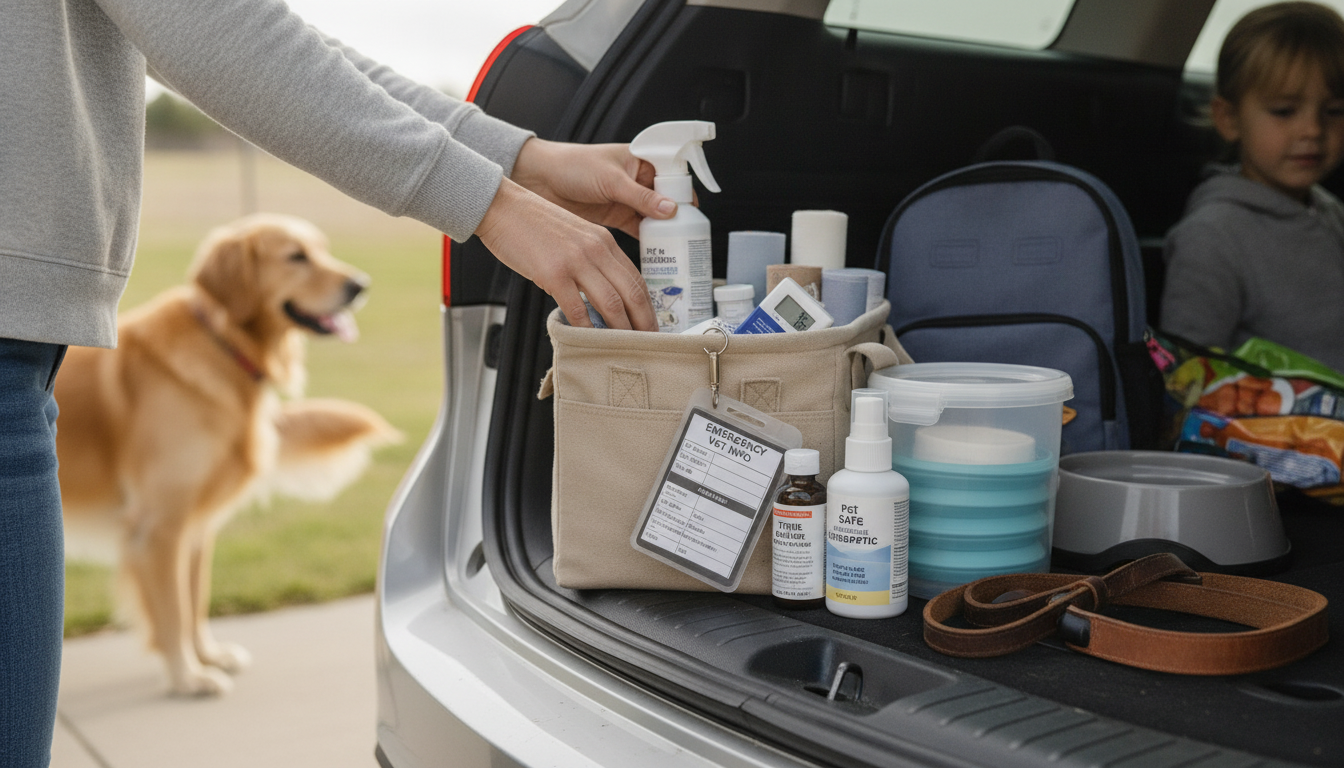
Use strong passwords, enable two-factor authentication, spot common scams, and protect personal information. Basic situational awareness and emergency readiness (contacts, first aid essentials) add another layer of security.
FAQ
What are the most important life skills for managing stress?
Start with sleep consistency, movement, and a simple plan for stressful moments (slow breathing, a short walk, or a quick “next step” list). Limiting caffeine late in the day and talking through problems with a trusted person also helps keep stress from compounding.










Leave a comment